Indigenous Women Behind the Andes Cat’s Survival
Quechua women united for the conservation of the Andean Cat in Ayacucho, Perú
Andean Cat (Leopardus jacobita)
Grant Number:
242536534
Awarded Amount:
8500
Continent:
South America
Country:
Peru
Awarded Date:
29/01/2025
Sometimes, grant recipients fight for more than just a species or an ecosystem. The Quechua Women’s Association for the Conservation of Small Cats is a very special group at the Mohamed bin Zayed Conservation fund, who fight for both women’s empowerment and for the felines that roam the Ccarhuacc Licapa forests of Peru.
Their focus feline, Andean Cat (Leopardus jacobita), has been in steep decline. Growing pressure from logging, overgrazing, wildfires, and climate change have caused habitat loss and with the forests’ ability to conserve water resources significantly compromised, it means the cats are venturing closer to settlements while looking for food and water.
Merinia Mendoza Almeida is no stranger to the conflict, having come to the Ccarhuacc Licapa forests while working on her master’s and ultimately stayed to found the Quechua Women’s Association for the Conservation of Small Cats (QWACSC). Together with her team, she laid the foundations of change in the community, ultimately implementing the project in 2024 with a grant from MBZ and are now working to expand it further in 2025.
To protect the cats, miss Almeida has taken two approaches: stopping habitat encroachment and giving families a second income. In the beginning of the project, the QWACSC, created cold resistant pastures for the domestic animals vital for the local’s lively hoods. With the 2025 grant from MBZ, they were able to distribute 5kg of seeds per resident. Additionally, the initiation of the second income project, has the first products fair in Carhuacc Licapa, where mothers showcased stuffed animals, bags, gloves, and keychains, generating income for their families.
A conservation story that began with a single masters student and nine cameras has grown into a powerhouse of women leading their community and an entire forest towards a brighter future.
Project lead by
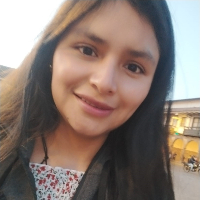
Merinia Mendoza Almeida
Biologist
Quechua Women’s Association for the Conservation of Small Cats
View public case study