Scroll Percentage: 0%
Partner Projects Mubadala
Conservation success
Our initial three-year partnership with Mubadala concluded in 2024, and what an incredible journey it has been! Together with our 8 partners, we embarked on over 300 expeditions across 5 countries, implementing 77 projects at 63 sites capturing more than 50,000 images through camera traps and direct observation.
Outreach efforts have engaged over 300,000 individuals through various events and campaigns. Local communities have benefited from improved access to medical services, education, employment opportunities, ecotourism, and alternative livelihoods. Impressively, 60% of the
projects are led by women, with a minimum of 30% female participation in field research, while over 25,000 youth have been educated, empowering the next generation to take part in conservation efforts.
During phase 2 of this partnership, we aim to build on our previous successes. This collaboration will continue vital conservation efforts addressing the mitigation of conflicts between humans and wild cats in Indonesia and tackling habitat destruction and poaching to safeguard Thailand's Siamese crocodiles and otter species.
We are also excited to launch a significant Dugong and Seagrass conservation initiative spanning five countries including Indonesia, Malaysia, Timor-Leste, Thailand, and the UAE. This initiative aligns with the United Nations Sustainable Development Goal 74, which focuses on life below water and aims to protect our planet's largest ecosystem. It expands on the successful Dugong and Seagrass Conservation Project implemented by the Fund from 2075 to 2079, emphasising not only the survival of these species but also the protection of their seagrass ecosystems as global carbon sinks, as well as driving a transformative approach to marine and land resource management.
Finally, together we will focus on building conservation capacity in the UAE by identifying and nurturing the conservation leaders of tomorrow. Drawing on the success of our small grants programme launched in 2008, we aim to establish a similar local
initiative that supports hands-on conservationists locally.
The Fund activated Mubadala supported projects in five countries.
Use the menu below to scroll to a grant:
Thank you, Mubadala, for believing in our mission and for your generous support of conservation efforts. Your invaluable contribution will leave a lasting impact for years to come, and we are truly grateful for your partnership.
H.E. Razan Al Mubarak
Executive Managing Director
The Mohamed bin Zayed Species Conservation Fund
About Colombia
Situated in north-western South America on the Tumbes-Chocó-Magdalena and Tropical Andes Biodiversity Hotspots, Colombia is one of the world’s 17 megadiverse countries and home to an astonishing 10% of all biodiversity on earth. The forested slopes of the Andes support incredible biodiversity and are important not only for the country’s natural heritage but also in preserving some of the world’s most unique species. According to the IUCN Red list, Colombia is home to 1,665 threatened species. Approximately 17% of its land and coastal areas are protected.
Country partnership highlights
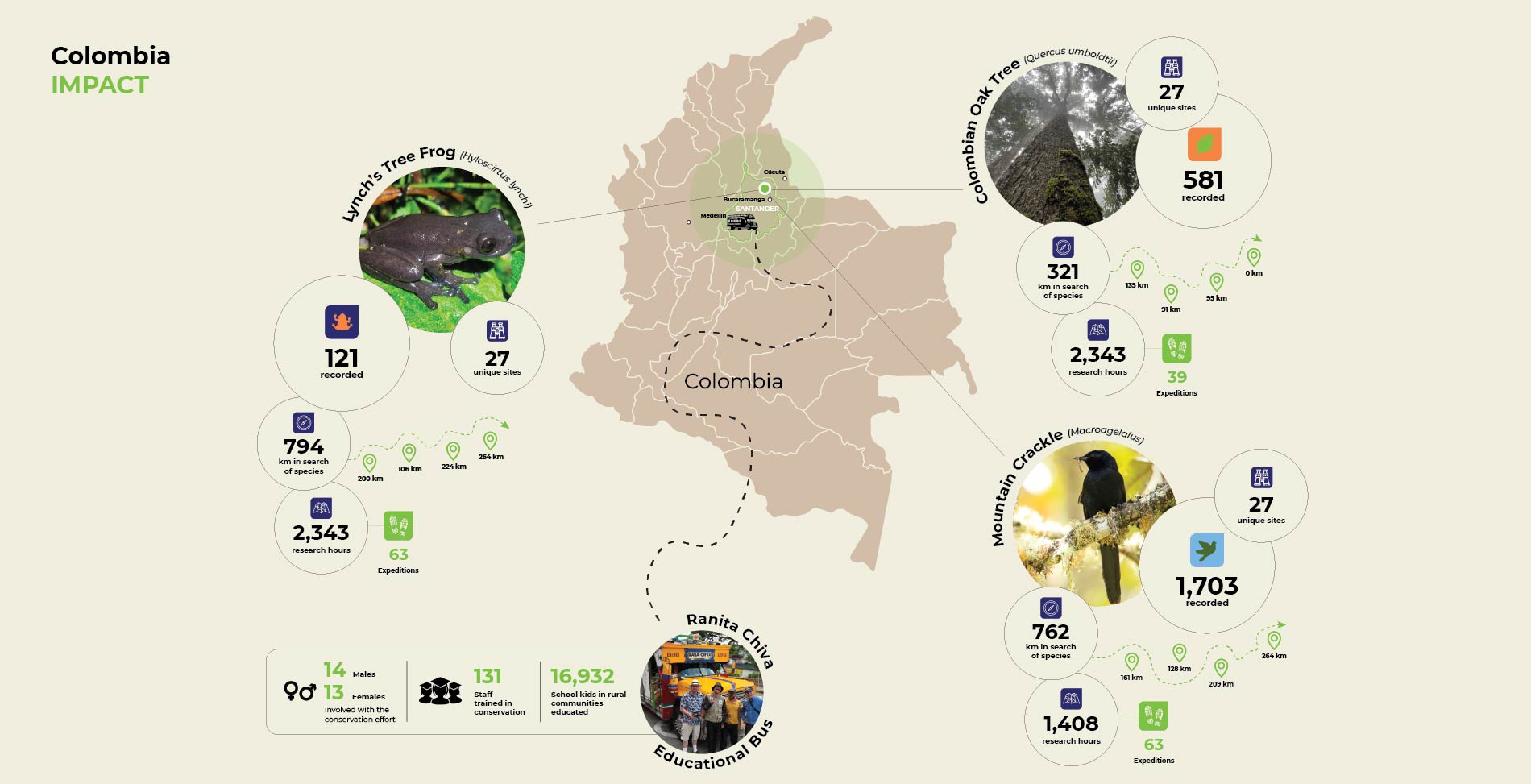
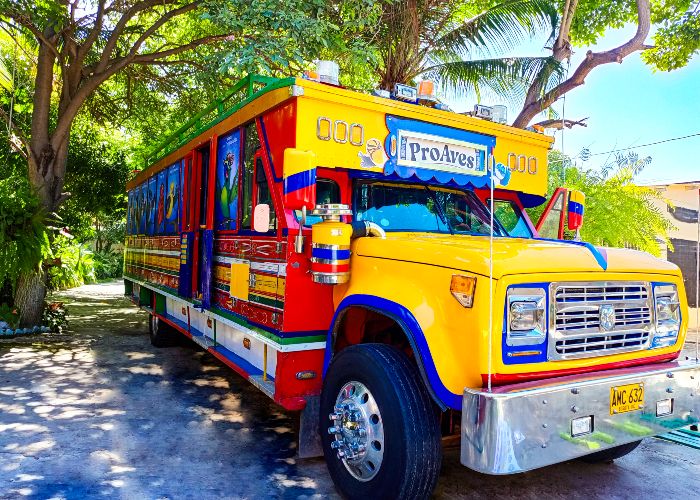
The Rana Chiva, an educational school bus, has successfully reached over 20,000 rural communities, educating them about species conservation. It is important to note that the funding provided by Mubadala made this initiative possible. Another major highlight was the rediscovery of the Lynch Tree frog and the creation of three conservation action plans to protect species and habitats in the Santander department.
The Rana Chiva, an educational school bus, has successfully reached over 20,000 rural communities, raising awareness about species conservation. Another significant highlight was the rediscovery of the Lynch Tree Frog and the development of three conservation action plans aimed at protecting species and habitats in the Santander department.
Lynch's Tree Frog (Hyloscirtus lynchi)
Conservation status: Critically endangered
Conservation partner: ProAves
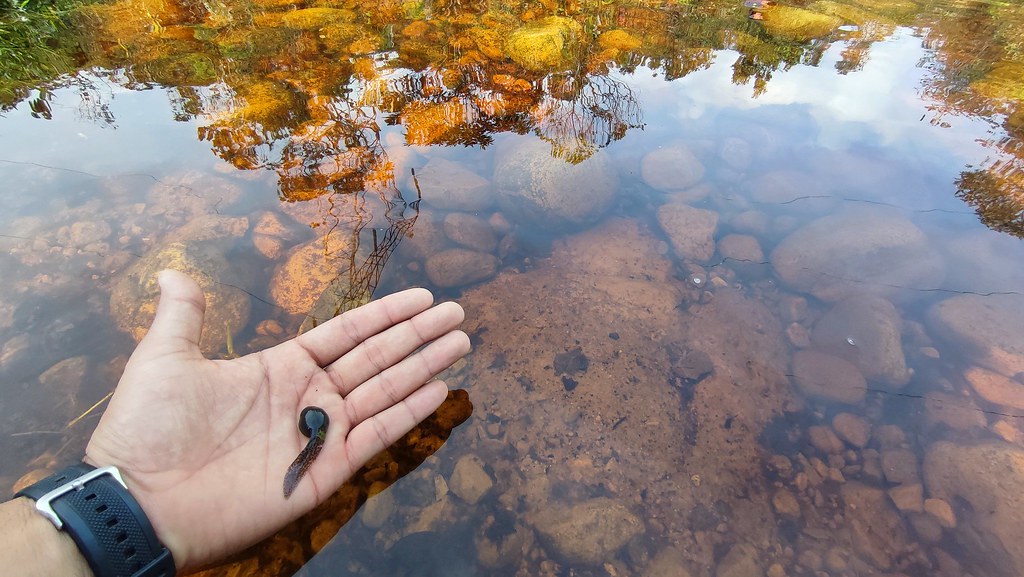
Last seen 36 years ago, Lynch's Tree Frog was presumed extinct after extensive searches by countless researchers. Discovered by Dr. John Lynch and Dr. Pedro Ruiz, this large arboreal frog is endemic to the montane cloud forests of the eastern Andes in Santander department. It is classified as Critically Endangered (CR) by the IUCN Red List, primarily due to deforestation, which has severely reduced its natural habitat.
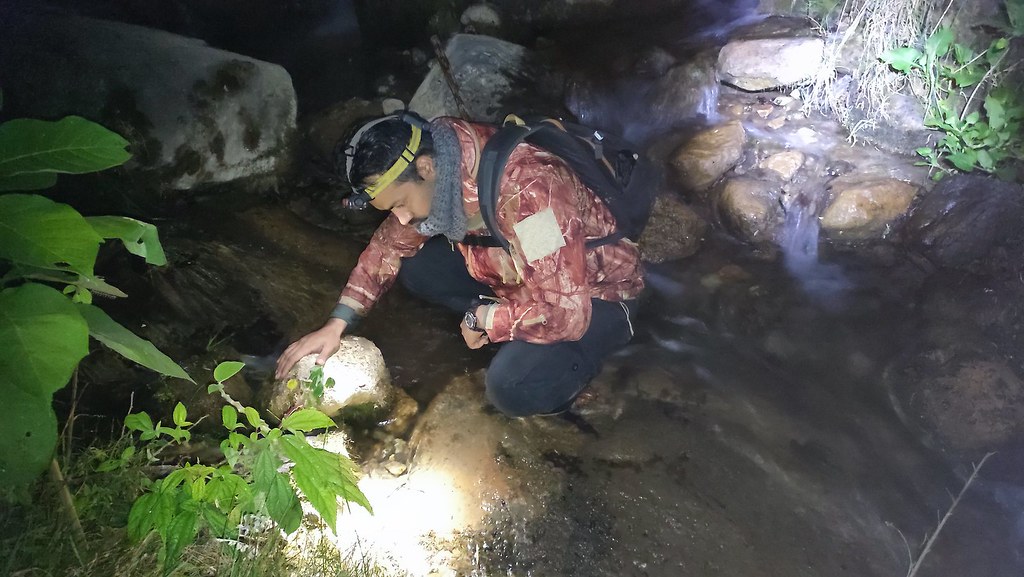
After nine months of searching, Fundación ProAves researcher Elson Meneses located the first individual of Lynch's Colombia Tree Frog in 36 years, near the edge of its suspected range. This suggests the species may have disappeared from its original habitat and moved to higher elevations in response to climate change, where very little natural habitat remains.


Colombian White oak (Quercus humboldtii)
Conservation status: Least concern
Conservation partner: ProAves
The Colombian White Oak is an arboreal species in the Fagaceae family. It is classified as Least Concern (LC) by the IUCN (2021) but listed as Vulnerable (VU) in the Red Book of Plants of Colombia (Cárdenas & Salinas, 2006).
The Quercus genus has ancient origins, with fossils dating back to the Lower Cretaceous. It comprises approximately 400 species found in diverse forest ecosystems from Canada to the Andes of Colombia, where only Q. humboldtii thrives (Aguilar, 2006). This species is believed to have established itself in the Colombian Andes around 300,000 years ago, primarily in the eastern mountain range.
However, Colombia's oak forests are declining due to timber exploitation. This is concerning, as many rare endemic species, including the Critically Endangered Indigo-winged Parrot, the Endangered Colombian Mountain Grackle, and the Vulnerable Rusty-faced Parrot, rely on these Andean oak forests for survival.


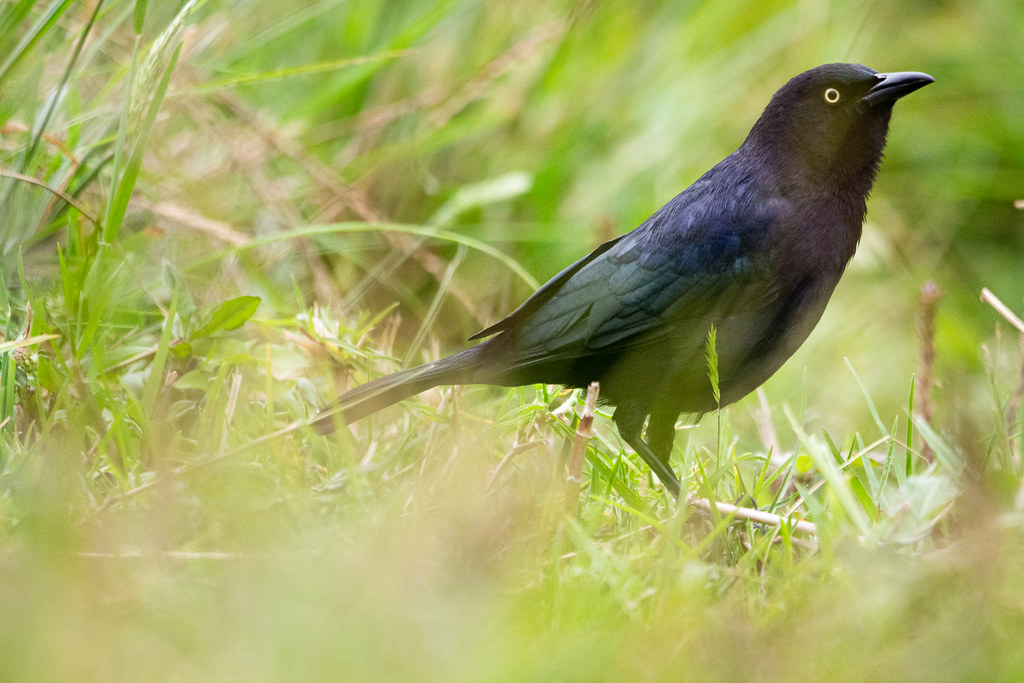
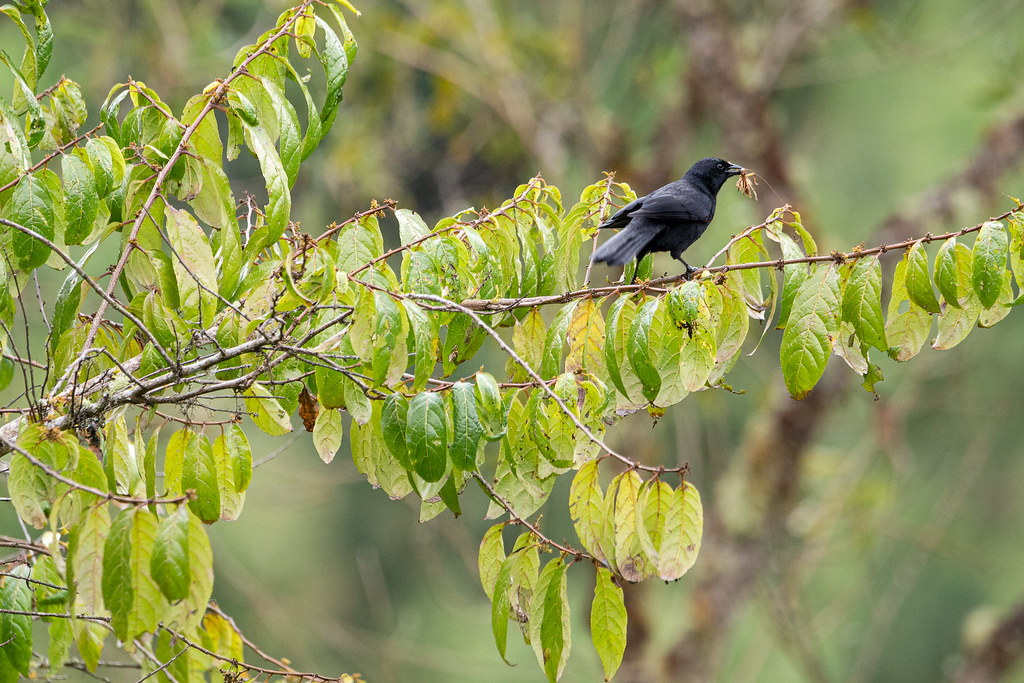
Mountain Grackle (Macroagelaius subalaris)
Conservation status: Endangered
Conservation partner: ProAves
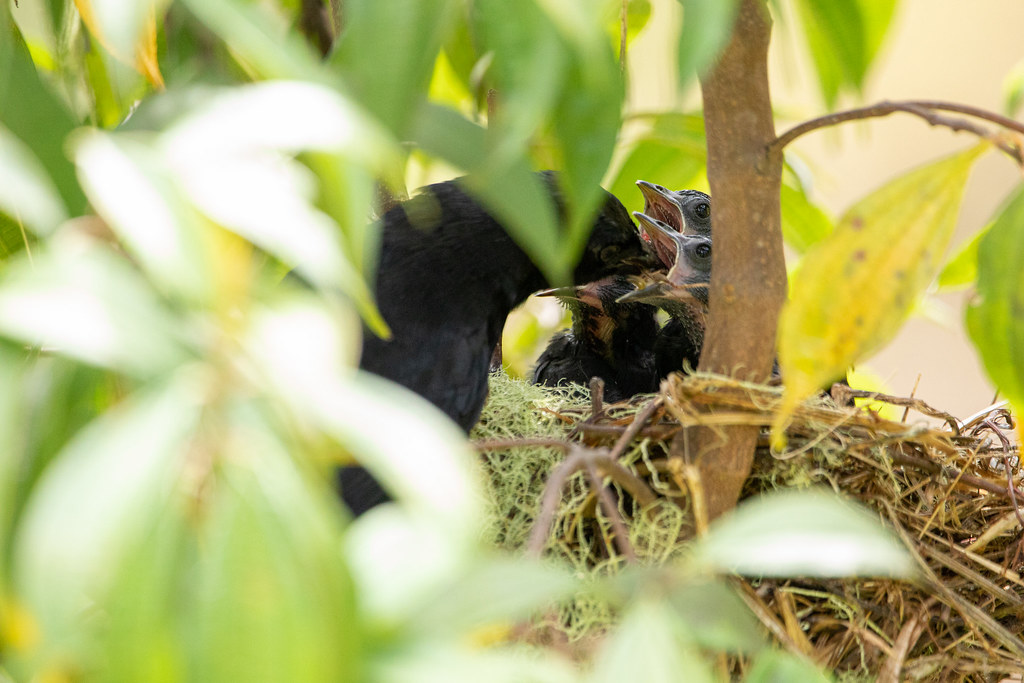
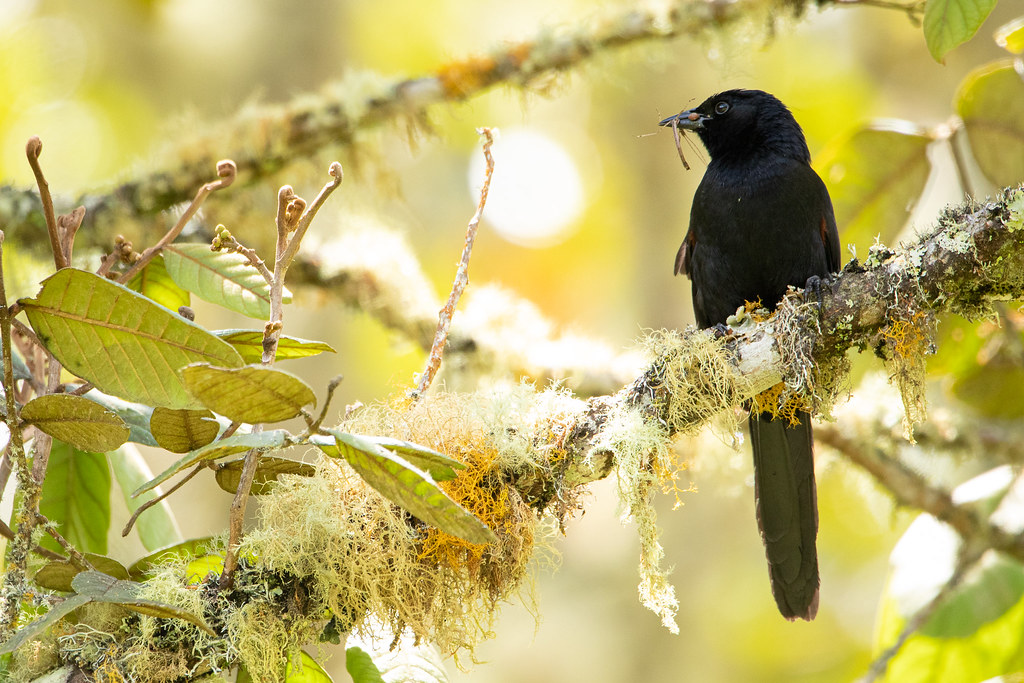
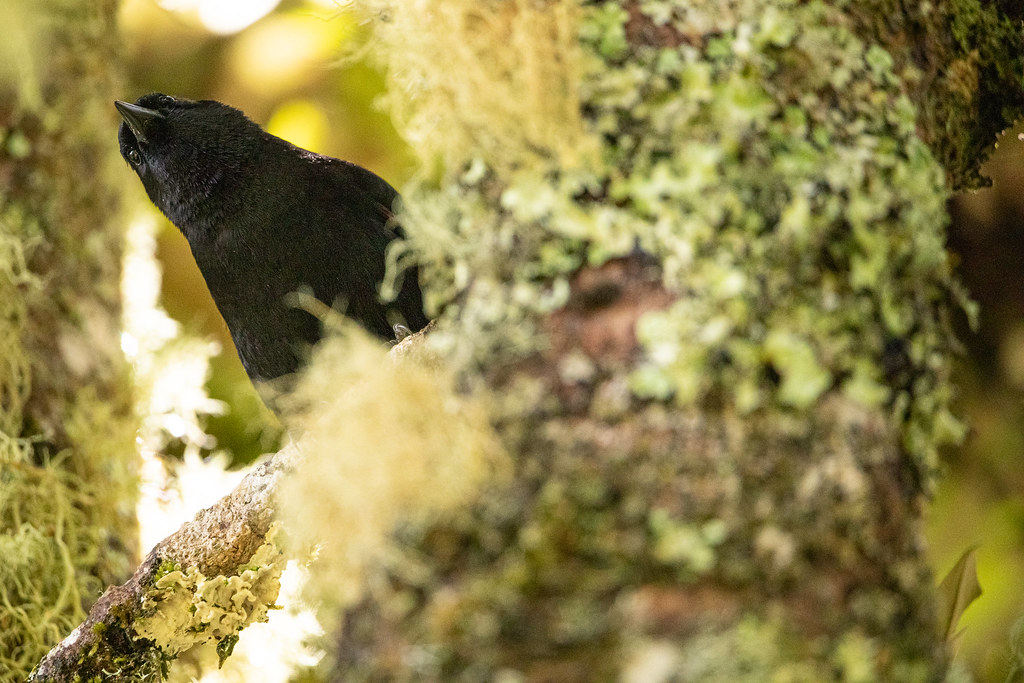
Also known as the Colombian Mountain Grackle , this species is classified as Endangered by BirdLife International due to its limited range and heavily fragmented habitat. The Mountain Grackle is a slender-bodied icterid with an exceptionally long tail, featuring an entirely black plumage that displays a purple-blue iridescence. Notably, it has dark chestnut axillaries and epaulets, which are visible only in optimal viewing conditions.
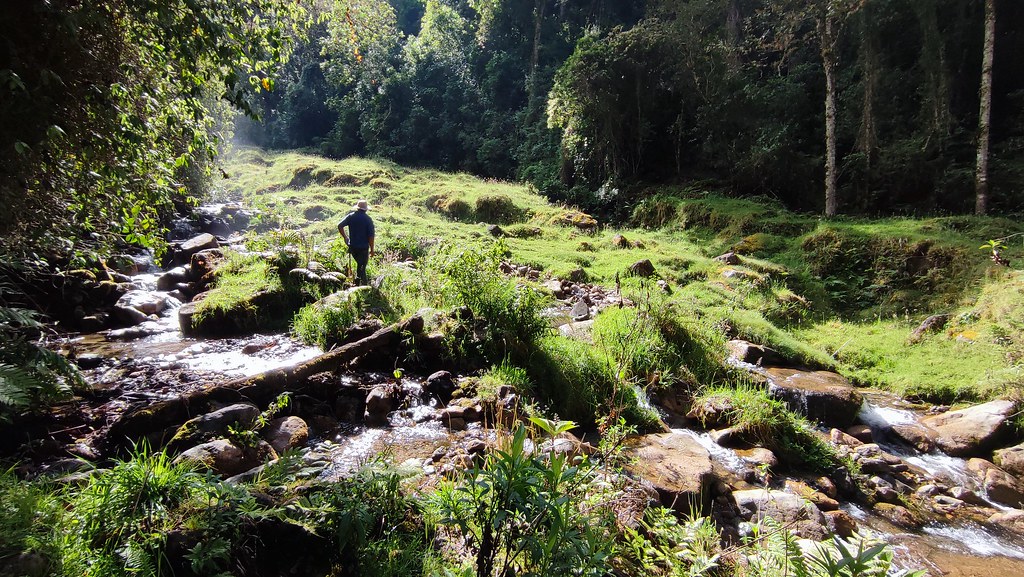
The Mountain grackle primarily inhabits the western slopes of the Eastern Andes, favouring subtropical and temperate oak forests at elevations between 2,400 and 2,900 meters. The species is believed to be most common in the Yariguíes Mountains. Typically found in small groups, it is suspected to exhibit cooperative breeding behaviour.


About Guinea
Guinea, West Africa is considered one of the world’s 25 biodiversity hotspots and is home to a wide array of species including 9000 species of plants, including 1800 endemics, 416 mammal, 917 bird, 107 reptile and 269 amphibian species. The status of biodiversity in the region is severely threatened. The exploitation of wildlife and birds greatly exceeds the rate of natural increase, leading to the disappearance of certain species. According to the IUCN Red list, Guinea is home to 346 threatened species.
Country partnership highlights
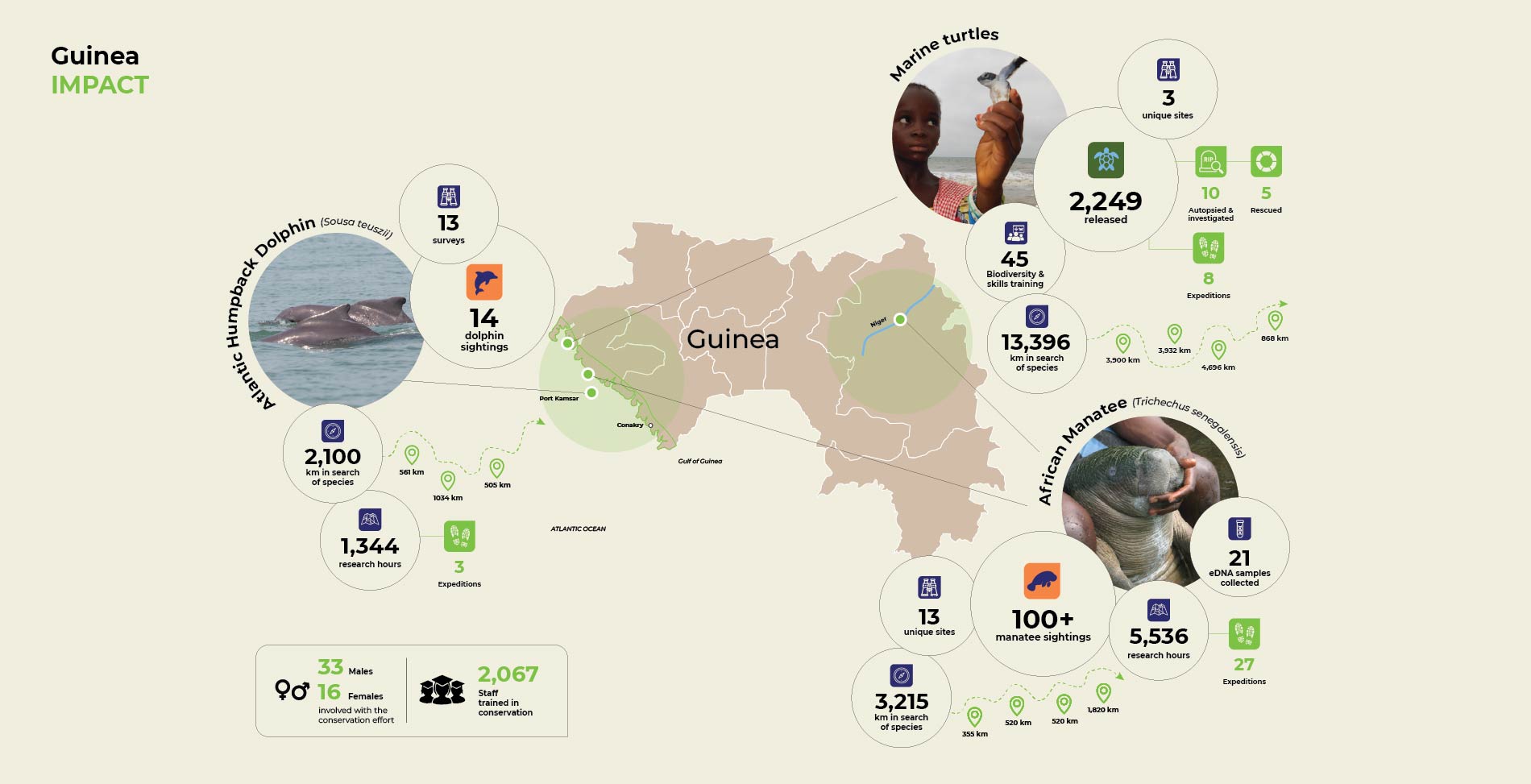
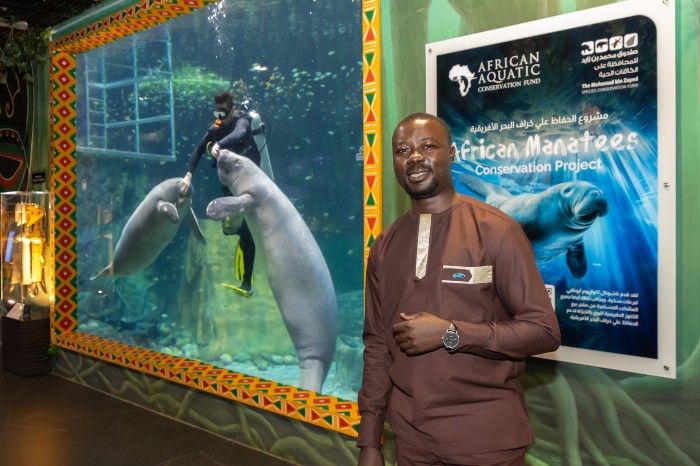
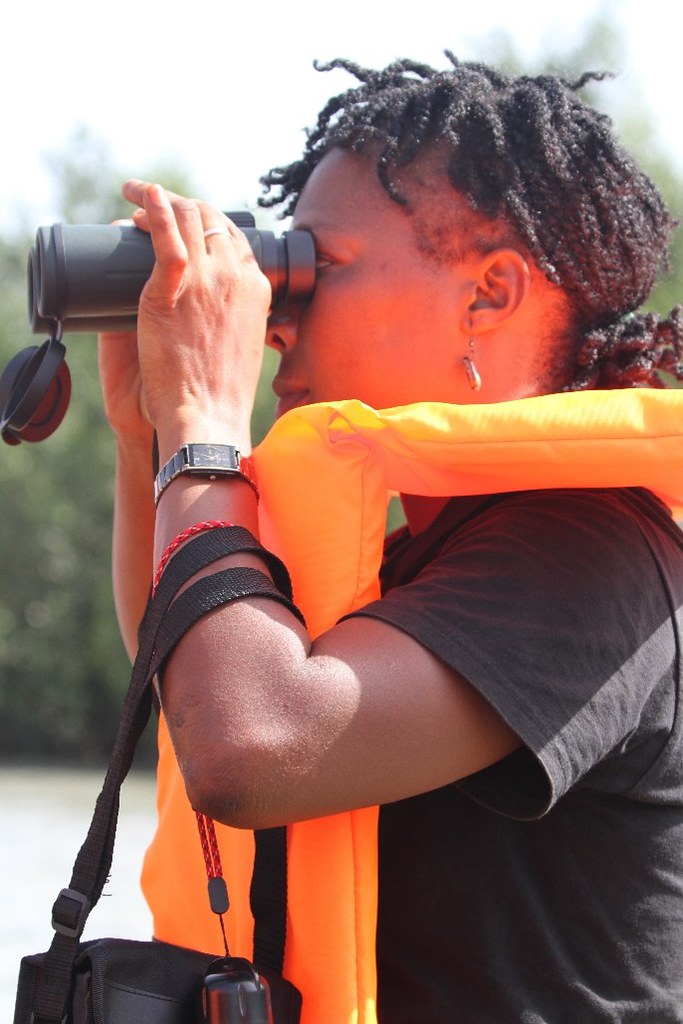
Guinea in West Africa is known for its rich biodiversity, but challenging conservation terrain. The key to success lies in community outreach and awareness. Significant progress has been made, especially in building local capacity, with the manatee project for example, 18 locals have been trained as manatee fellows or researchers to better understand these elusive creatures. The project also led to a local partnership with The National Aquarium, Abu Dhabi where the African Aquatic Conservation Fund will support manatee conservation in the wild.
African manatee (Trichechus senegalensis)
Conservation status: Vulnerable
Conservation partner: African Aquatic Conservation Fund
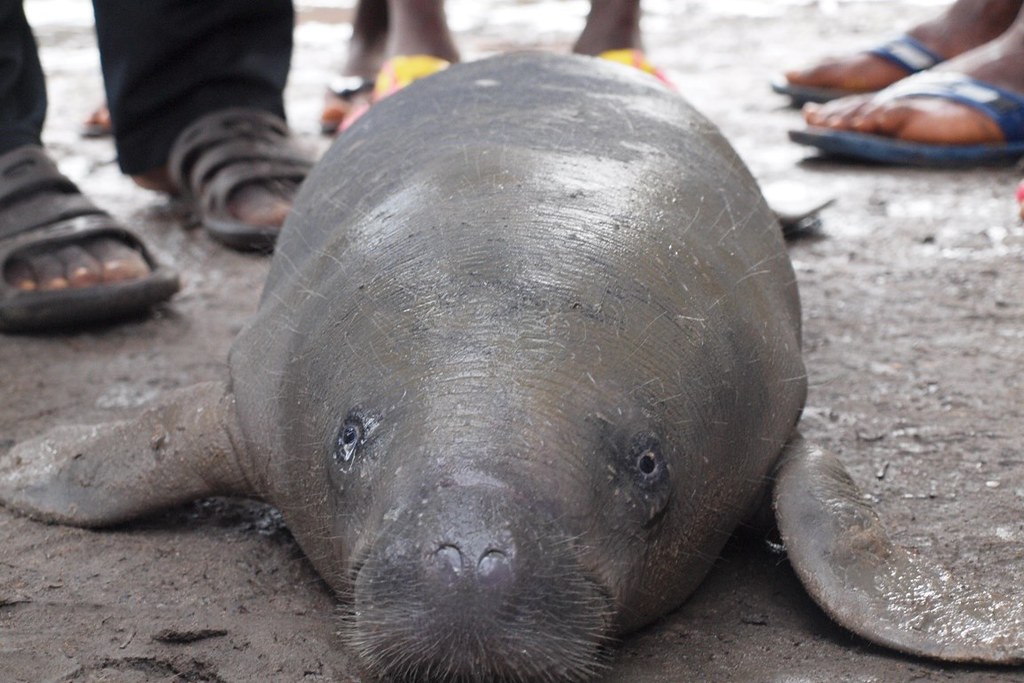
African manatees are aquatic mammals in the order Sirenia, capable of living in both freshwater and saltwater. These elusive giants can weigh up to 400 kg and inhabit nutrient-rich rivers, lakes, estuaries, and coastal waters along West and Central Africa.
Typically solitary, African manatees move slowly and have gentle temperaments and can live up to 39 years in the wild. The strongest bonds are between mothers and their calves, lasting up to two years. Manatees graze and rest in shallow waters, usually no deeper than 5 meters. While primarily herbivorous, they have been observed eating fish and mollusks, a unique trait among manatees.
In the wild, they face extinction due to threats like poaching, bycatch in fisheries, entrapment in dams, and habitat loss. NGOs and government agencies in West and Central Africa are working to preserve their habitats, enforce anti-poaching laws, raise awareness, and conduct research to better understand this species.


Atlantic humpback dolphin (Sousa teuszii)
Conservation status: Critically endangered
Conservation partners: CCAHD and Biotope
The Atlantic humpback dolphin is one of the least understood coastal dolphin species, despite its reliance on nearshore habitats that bring it into close contact with human activities across its range. This species has a robust body shape, characterized by a distinct hump of connective tissue located midway along its back. It features a long, slender beak, with the lower jaw exhibiting a paler grey coloration than the upper jaw. The flippers are broad, with straight trailing edges and rounded tips.
Endemic to (sub)tropical waters along the Atlantic coast of Africa, Atlantic humpback dolphins face several threats, including bycatch in fishing gear, deliberate hunting, and habitat loss and degradation.


Marine sea turtles
Conservation partner: Chelonee
Located 160 km from Conakry, the capital of Guinea, the Tristao Archipelago is a vital marine protected area where endangered marine turtles coexist with local communities. At its heart lies Katrack Island, which features a stunning 20 km sandy beach that serves as a nesting ground for Hawksbill, Green, and Olive Ridley turtles, making it a global hotspot for turtle conservation.
Community involvement is a crucial aspect of the project, with locally trained eco-guards playing a vital role in monitoring turtle nests and potential threats. They also manage the installation of mesh enclosures at the research station, which has proven effective in mitigating risks. Each year, they oversee an average of 35 transplanted nests containing approximately 4,000 eggs, with about 50% of the hatchlings being safely released back into the ocean.


About Thailand
Thailand is a biodiversity hotspot in South-East Asia and is home to an astonishing 15,000 plant species, representing 8% of the world’s total? Ranking 20th in terms of biodiversity, many animal species, including mammals, birds, reptiles, and fishes, are at risk including 121 mammal species, 184 bird species, 33 reptile species, 5 amphibian species, 218 fish species, and 1,131 plant species. According to the IUCN Red list, Thailand is home to 671 threatened species.
Country partnership highlights
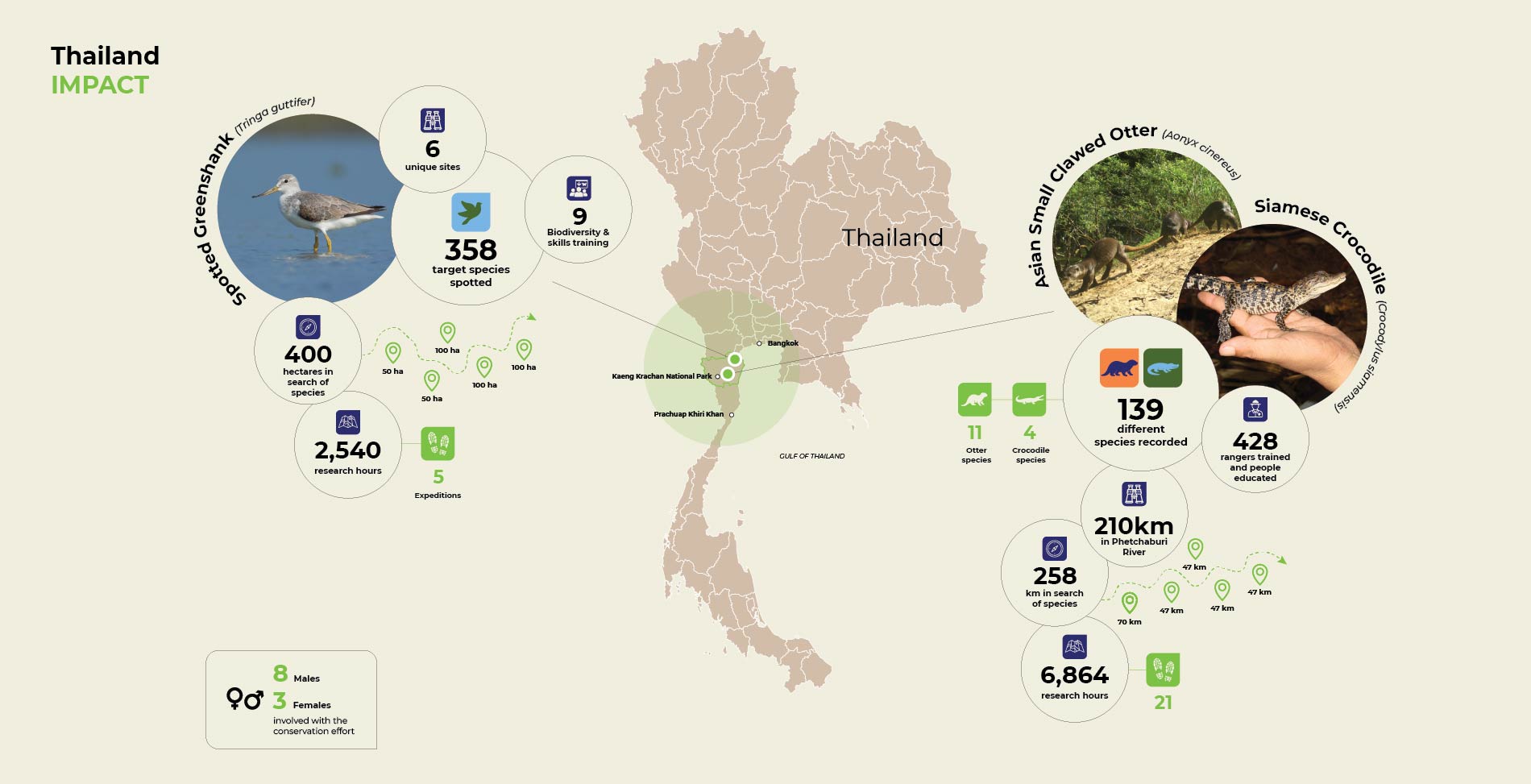
Patrolling the 210km long Phetchaburi River in Kaeng Krachan National Park is crucial for creating a safe environment for the Asian small-clawed otters and Siamese crocodiles. The area is vast, but thanks to 75 dedicated park rangers, they manage to patrol over 1,000 km² along the river. Their efforts have led to the destruction of more than 50 poacher camps and hides in the national park.

Protecting the Biodiversity of Thailand rivers
Conservation partner: WCS
Kaeng Krachan National Park (KKNP) was declared a national park on the 12th June 1981, and was designated a World Heritage Site in July 2021. No other protected area in the country boasts such a diverse variety of wildlife. To conserve the Asian small-clawed otter (Aonyx cinereus) and the Siamese crocodile (Crocodylus siamensis), as well as the biodiversity along the Petchburi River, effective law enforcement is essential to combat various threats from nearby villages.
Increasing the number of park rangers, boats, and necessary equipment is crucial for robust protection in this core area. Coupled with ongoing community engagement, this strategy should help mitigate human pressures over time, although the effects may not be immediate.


The Spotted greenshank (Tringa guttifer)
Conservation status: Vulnerable
Conservation partner: BCST
The spotted greenshank, also known as Nordmann's greenshank, is a wader in the large Scolopacidae family, which includes typical waders. Up to a quarter of this endangered bird's population winters in Southeast Asia, particularly in Thailand, where they face significant threats. Coastal erosion, land use changes, and urban expansion pose serious risks, especially with the decline of salt pans due to fluctuating sea salt prices and rising labour costs. Many vital areas are being converted into aquaculture ponds and urban developments, leading to the loss of crucial high-tide roosting sites. It is essential to conduct field surveys and monitoring of the migratory population to ultimately secure their wintering habitats.


About Indonesia
Indonesia is one of the world’s 17 megadiverse countries, boasting the second highest level of biodiversity globally. Spanning nearly 18,000 islands, it features rich natural resources and diverse flora and fauna. Indonesia ranks second for terrestrial biodiversity and first for marine biodiversity, making it a unique asset. Home to the world’s third largest rainforest, it shelters endangered species such as orangutans, Sumatran tigers, and rhinos. According to the IUCN Red List, Indonesia hosts 1,614 threatened species.
Country partnership highlights
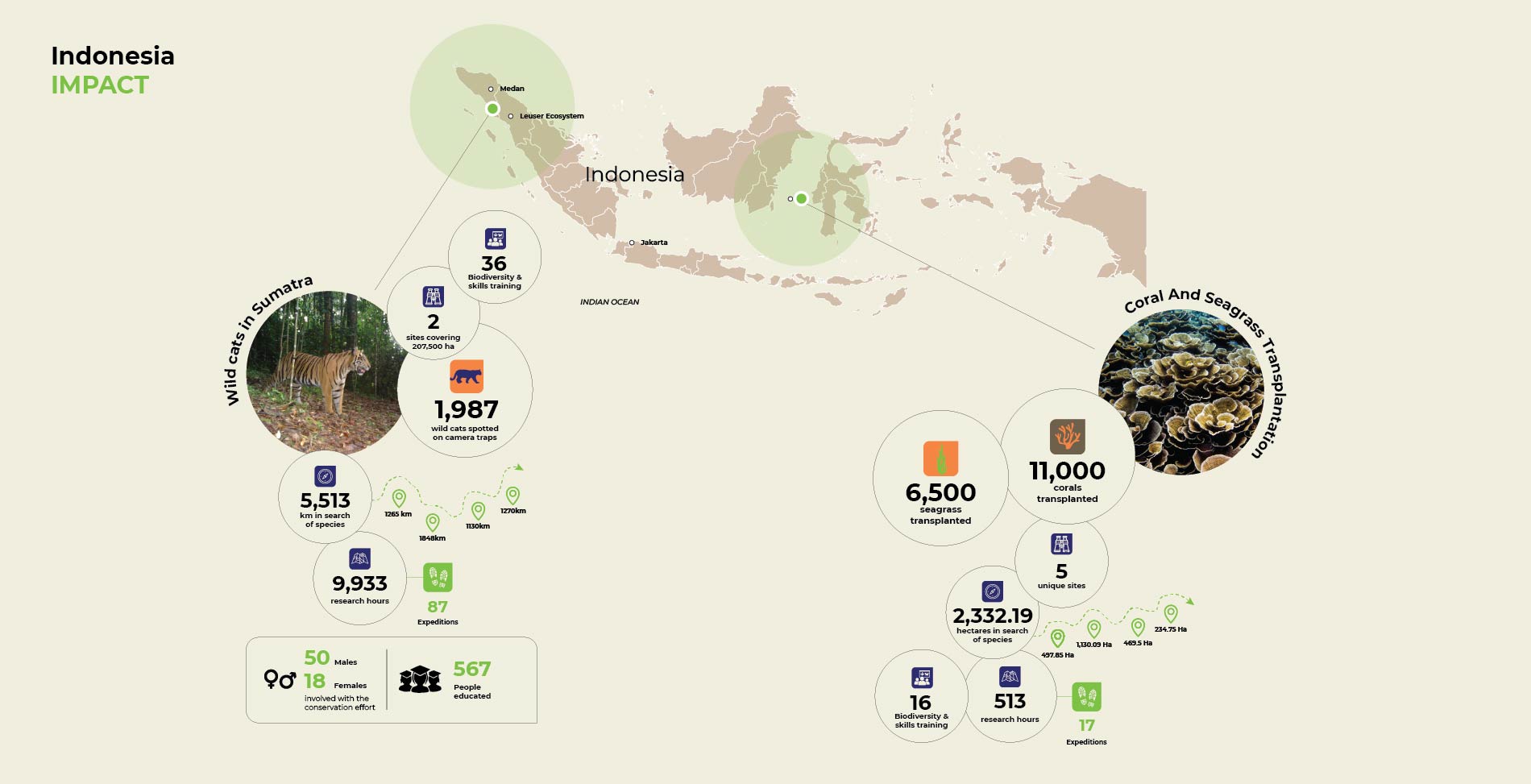
Camera traps play a crucial role in conservation success by providing data on species locations, population sizes, and interactions. Over 30,000 images of various species have been captured using camera traps as well as over 11,500 corals and 6,500 seagrasses successfully transplanted.
Camera traps play a crucial role in conservation success by providing valuable data on species locations, population sizes, and interactions. To date, more than 30,000 images of various species have been captured using these devices. Additionally, to enhance habitat and food resources, over 11,500 corals and 6,500 seagrasses have been successfully transplanted.

Mitigating human-wildcat conflict
Conservation partners: Panthera and SINTAS Indonesia
There is only one place on Earth where tigers, elephants, orangutans, and rhinos coexist in the wild: the Leuser Ecosystem World Heritage Site on the Indonesian island of Sumatra. Covering over 2.6 million hectares of lush jungle across the provinces of Aceh and North Sumatra, this unique ecosystem is also home to a diverse range of wild cat species.
In addition to its remarkable wildlife, the Leuser Ecosystem is vital for more than 7 million people who depend on it for clean air, water, flood protection, irrigation, medicines, and their livelihoods. However, as wild habitats continue to shrink and become more isolated, the coexistence and survival of these species are increasingly threatened, leading to a rise in human-wildlife conflicts.


Coral and seagrass transplantation
Conservation partner: Hasanuddin University
The Makassar Strait, situated between Borneo and Sulawesi, is renowned for its rich marine biodiversity. The aim of this project is to establish the Salissingan Island Local Marine Protected Area by engaging communities in the rehabilitation and management of coral reef and seagrass ecosystems, thereby supporting marine turtle conservation.
Sea turtles depend on these vital habitats for food, shelter, and breeding grounds, making their preservation essential. Additionally, we aim to empower local communities by training them to monitor and manage the health of seagrass and coral reefs. We will also support the creation of alternative income opportunities, such as fish catch processing, to promote economic sustainability and provide environmentally friendly fishing gear for improved catches.


About Alberta, Canada
Alberta is blessed with a diversity of natural landscapes. This includes grassland, parkland, foothills, boreal forest, Rocky Mountains and Canadian Shield. The province is also home to over 60,000 wild species. Currently over 600 plant and animal species at risk are currently protected under the federal Species at Risk Act (SARA) and more than 150 additional species are under consideration to be added to the list.

Country partnership highlights
Conservation partner: CEG
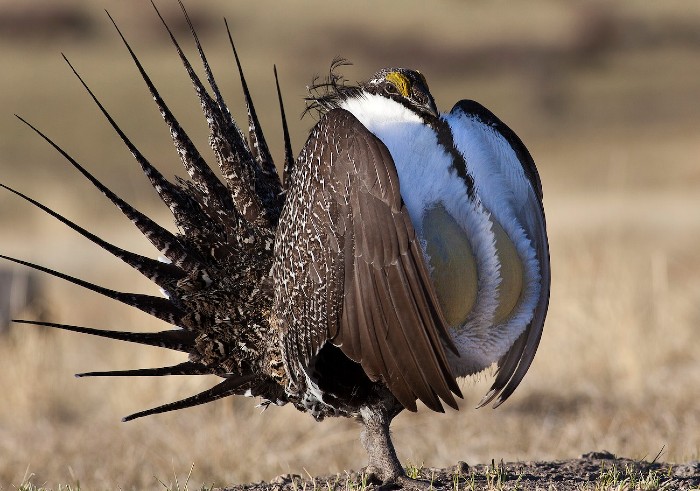
Greater Sage-grouse (Centrocercus urophasianus) have been at high risk of imminent extinction in Canada for over a decade. A key conservation intervention has been the translocation of grouse from Montana to Alberta, which likely helped the evidenced stabilization of this small and fragile population. Greater sage-grouse are habitat specialists which, as the name suggests, largely depend upon sagebrush for their survival and persistence.
The demise of sagebrush due to habitat deterioration as well as factors such as climate change and introduction of invasive species have all played a role in the imminent decline across Canada.
To address this conservation challenge, 49 hectares of sagebrush habitat have been purchased by the Alberta Conservation Association in Southeast Alberta. This will help to conserve critically endangered Greater sage-grouse in Canada, in the northern fringe of the imperiled sagebrush biome.
The funding for the sage-grouse project in Canada supported a suite of conservation activities that were instrumental in securing and restoring sage-grouse habitat. Our project was the first in Canada to install rock dams to restore wet meadows for sage-grouse and represented the start of a new community-wide approach to sage-grouse habitat restoration. Funding for this project also supported the growth of our local small business. We were able to hire and train several new conservation practitioners who continue to facilitate restoration work, conservation planning, and the development of climate adaptation tools."
Julie Heinrichs
Managing Director, Chief Scientist


